
Most visitors to the Oregon Coast fish the wrong spots at the wrong times and wonder why the locals always seem to outfish them. Gold Beach Oregon fishing rewards preparation, and the gap between a blank day and a full cooler often comes down to knowing whether the Chinook are staging in the bay, running the tidal rip, or pushing upriver through the canyon. This guide covers exactly what you need: species timing, gear, guided options, regulations, and the honest local knowledge that most generic Oregon Coast fishing articles skip entirely.
Table of Contents
- Quick Takeaways
- Why Gold Beach Fishing Stands Apart on the Oregon Coast
- Rogue River Fishing: Seasons and Species
- Bay Fishing at Gold Beach: Tides, Spots, and Tactics
- Summer Fishing on the Oregon Coast: What to Target
- Guided vs. DIY Fishing at Gold Beach
- Fishing Regulations and Licenses for the Rogue River
- Comparing Fishing Approaches at Gold Beach
- Gear and Tackle Recommendations for Gold Beach Waters
- Frequently Asked Questions
- References
Quick Takeaways
| Key Insight | Explanation |
|---|---|
| Chinook salmon peak in spring and fall | Spring Chinook run the Rogue from April through June. Fall Chinook return August through October. Summer offers consistent action but spring fish are generally larger. |
| The tidal rip at the river mouth is prime territory | Where the Rogue River meets the Pacific, baitfish concentrate and predator species stack up. Incoming tides push fish into the bay and toward the lower river. |
| Steelhead run year-round on the Rogue | Summer steelhead are present June through September. Winter steelhead begin arriving in November. The Rogue is one of Oregon’s most reliable steelhead rivers. |
| Bay fishing requires tide awareness | Crabbing and bottom fishing in the Rogue River Estuary produce best on the two hours before and after high tide. Slack low tide slows action significantly. |
| A Wild and Scenic River designation matters for anglers | The upper Rogue carries Wild and Scenic protections that restrict some motorized access. Jet boat tours operate on defined corridors. Know the boundaries before you launch. |
| Oregon fishing licenses are non-negotiable | Oregon Department of Fish and Wildlife requires a valid angling license plus a combined angling tag for salmon and steelhead. Spot checks on the Rogue are routine. |
| Guides dramatically improve first-trip success rates | Local guides fish the Rogue daily and adjust to real-time conditions. First-time visitors who hire a guide consistently report better catch rates than self-guided anglers unfamiliar with the river. |
Why Gold Beach Fishing Stands Apart on the Oregon Coast
Gold Beach sits at one of the most strategically advantageous positions on the entire West Coast for a fishing trip. The town sits at the mouth of the Rogue River, one of only eight rivers in the United States designated as both Wild and Scenic under the National Wild and Scenic Rivers Act of 1968. That federal designation is not just a tourism talking point. It reflects water quality, habitat integrity, and fish population health that directly translates to catch rates.
The Rogue drains roughly 5,200 square miles of southern Oregon before meeting the Pacific at Gold Beach. That watershed volume creates a cold, oxygen-rich estuary where juvenile salmon and steelhead fatten before ocean entry, and where returning adult fish stage before their upriver push. Few coastal towns on the Oregon Coast offer anglers simultaneous access to open Pacific surf, a protected bay estuary, and a major salmon river all within a few miles of each other.
The data consistently shows that Gold Beach produces salmon catches across more months of the year than most comparable Oregon Coast destinations. Brookings to the south and Bandon to the north both offer good fishing, but neither has the combination of bay, river, and guided jet boat access that defines the Gold Beach experience.


Rogue River Fishing: Seasons and Species
The Rogue River does not have one fishing season. It has a rolling calendar of overlapping runs that keeps serious anglers occupied from January through December. Understanding which species is moving when is the single most important variable in planning a trip to Gold Beach.
Spring Chinook Salmon on the Rogue
Spring Chinook, also called spring kings, begin entering the Rogue estuary in late March and peak through May and into June. These fish are the most prized of the year. They carry higher fat content than fall fish because they must sustain themselves for a longer river migration before spawning. A fresh spring Chinook in the 25 to 40 pound range is a realistic target for anglers fishing Gold Beach in April and May.
In practice, the best spring Chinook fishing happens on the lower river between the Highway 101 bridge and Lobster Creek, roughly 10 miles upstream. Drift boat and guide boat traffic concentrates here in spring because the fish hold in deep green pools before continuing upriver.
Fall Chinook and Coho Returns
Fall Chinook begin staging in the bay as early as August and the run builds through September and October. Salmon fishing Gold Beach Oregon in the fall draws the largest crowds of the year. Coho salmon follow a similar fall schedule, typically entering the lower river in September. Both species are legal to retain during the season, subject to ODFW regulations that change annually.
Rogue River Steelhead
Summer steelhead are present in the Rogue from June through September and provide strong sport for anglers willing to work deeper pools with drift rigs or casting lures. These fish average 6 to 10 pounds. Winter steelhead, the larger of the two runs, arrive in November and continue through February. The Wild and Scenic Rogue River fishing experience for steelhead is genuinely world-class by any objective measure of run size, catch rates, and river habitat quality.
Cutthroat Trout and Bottom Species
Sea-run cutthroat trout move in and out of the lower Rogue and bay throughout summer and early fall. They respond well to small spinners and flies and offer lighter tackle fun when salmon and steelhead are between peak runs. The lower river and estuary also hold white sturgeon, though catch-and-release rules often apply depending on current ODFW allocations.
Bay Fishing at Gold Beach: Tides, Spots, and Tactics
Bay fishing Gold Beach revolves around the Rogue River Estuary and the shallow tidal flats that extend from the river mouth inland. This is the most accessible type of fishing in Gold Beach for families, casual anglers, and visitors who are not ready to commit to a full river guide trip.
Dungeness Crab in the Rogue Estuary
The Rogue estuary supports a productive recreational Dungeness crab fishery from late spring through fall. Crabbing from the public docks near the Port of Gold Beach is simple and effective. Anglers drop ring nets or crab pots baited with fish carcasses or chicken, wait 20 to 30 minutes, and check their gear. A two-hour session on an incoming tide during summer will often produce legal Dungeness crabs for most participants.
A common mistake is crabbing during low tide slack water. Crab move with tidal flow, and the two hours before and after high tide are when ring nets fill fastest. Plan your session around tide tables, not around what time is convenient for your schedule.
Perch and Rockfish from Shore and Docks
Redtail surfperch are available from the sandy beaches immediately north and south of the Rogue mouth throughout summer. These fish respond to sand shrimp, ghost shrimp, and tube worms fished on the bottom in the wave trough. The Oregon Coast fishing guide community consistently identifies the Gold Beach surf zone as one of the more reliable perch spots on the southern coast. Rockfish can be accessed from the south jetty during higher tides.
Striped Bass in the Estuary
A remnant striped bass population exists in the Rogue estuary and lower river. These fish are present year-round but best targeted in summer when they chase baitfish schools into the shallower bay areas. Striped bass in Oregon are catch-and-release only, but they provide excellent sport on light to medium spinning tackle.
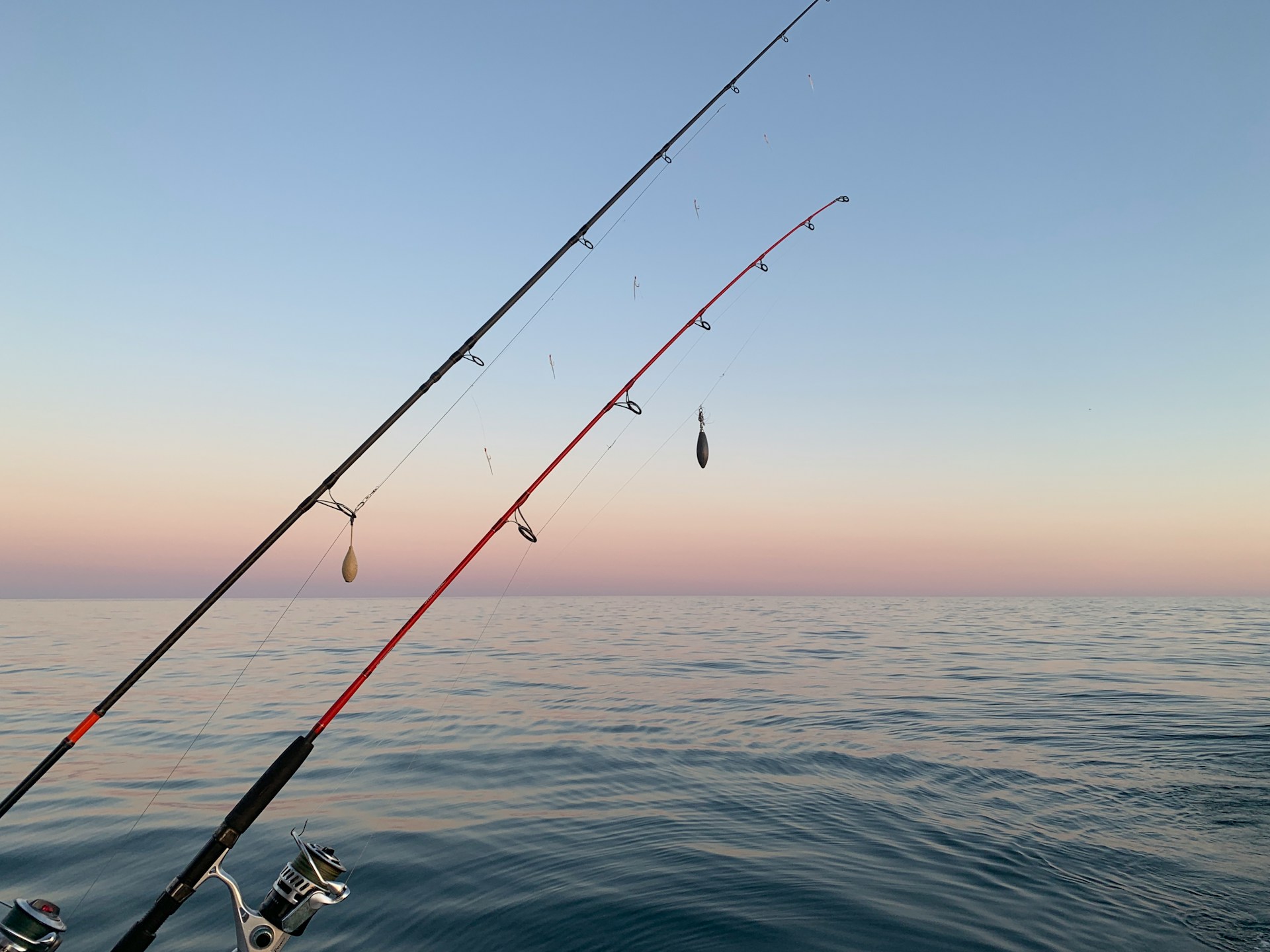
Summer Fishing on the Oregon Coast: What to Target
Summer fishing Oregon Coast conditions are generally favorable from June through September. Water temperatures are stable, tides are predictable, and fog burns off early most mornings. Gold Beach in summer offers a different fishing experience than fall or winter, and knowing what is running and what is not prevents wasted days.
June brings the tail end of spring Chinook on the upper river and the beginning of summer steelhead in the canyon sections. July through August is peak bay crabbing, estuary perch fishing, and early staging for fall Chinook. By mid-August, the first fall Chinook are holding in the bay below the bridge, visible to anglers on the north jetty during low water conditions.
Summer also brings viable halibut fishing offshore for anglers who charter boats out of the port. Pacific halibut season typically runs May through September under Pacific Fishery Management Council allocations. Gold Beach guide boats regularly run 20 to 30 miles offshore to productive halibut grounds. These trips depart early and should be booked weeks in advance during peak summer months.
“The Rogue River’s spring Chinook run ranks among the finest trophy fisheries on the entire West Coast. The combination of river access, fish size, and scenic corridor makes it genuinely irreplaceable.” — Pacific Coast Federation of Fishermen’s Associations, advocacy report on Wild and Scenic Rivers.
Whale watching intersects with fishing in summer because gray whale feeding aggregations follow the same nearshore upwelling zones that concentrate baitfish. Anglers trolling or mooching for salmon in the nearshore zone regularly share water with feeding whales. This overlap is unique to the Gold Beach latitude and adds a dimension to summer fishing that destinations further north do not reliably offer.
Guided vs. DIY Fishing at Gold Beach
This is where most first-time visitors make their most expensive mistake. They show up with tackle bought at a big-box store, drive to what looks like a good access point, and spend two days working water that is either past its peak or never held fish in the first place. A licensed guide on the Rogue is not a luxury item. It is the difference between learning the river in five years or catching fish your first morning.
What a Rogue River Guide Provides
Experienced Gold Beach guides provide a boat, all terminal tackle, bait, fish cleaning, and, critically, real-time intelligence on where the fish are located based on that specific week’s conditions. They adjust tactics based on water temperature, river height, and the stage of the run. Guide boats on the lower Rogue typically carry two to four anglers and operate drift boats or jet sleds depending on the section being fished.
The going rate for a full-day guided salmon trip on the Rogue runs approximately $200 to $300 per person, depending on party size and season. This is competitive with guided rates on the Klamath, Chetco, and other northern California and southern Oregon rivers.
DIY Options That Actually Work
Self-guided anglers are not locked out of success at Gold Beach. The south jetty, the north bank of the river below the bridge, and the estuary flat near the boat ramp are all public access points that produce fish during run peaks. Shore anglers targeting fall Chinook in September can do well casting spinners or drift fishing with cured salmon eggs in the lower river tidal reach without a boat.
Pro tip: If you are self-guided, invest $30 in a consultation with a local tackle shop before you start. The staff at shops in Gold Beach fish these waters personally and will tell you the honest current conditions, what bait is working, and which access points are producing. That conversation is worth more than any online report.
Jet Boat Tours as a Fishing Option
Gold Beach is the departure point for jet boat tours up the Rogue River canyon. Several operators run daily trips ranging from a 64-mile round trip to Agness to 104-mile excursions into the Wild Rogue Wilderness. Some operators offer combination fishing and sightseeing trips. These are not high-production fishing boats, but they provide access to canyon pools that bank anglers simply cannot reach, and they are a legitimate option for anglers who want river access without trailering their own boat.
Fishing Regulations and Licenses for the Rogue River
Oregon Department of Fish and Wildlife manages the Rogue River salmon and steelhead fishery under regulations that change annually based on run size forecasts. The regulations are not optional reading. Salmon seasons on the Rogue can open and close mid-season based on in-season run counts at counting stations, and anglers who ignore emergency closures face significant fines.
Every angler 14 years of age or older fishing Oregon waters needs a valid Oregon Angling License. Salmon and steelhead require an additional Combined Angling Tag. In 2024, a resident annual angling license cost approximately $44 and the Combined Angling Tag added roughly $30. Non-resident annual licenses ran approximately $108, with the Combined Angling Tag on top of that. Prices adjust annually, so confirm current fees at ODFW’s official website before your trip.
Hatchery versus wild fish retention rules are enforced strictly on the Rogue. Wild and Scenic Rogue River fishing regulations require anglers to release unclipped wild fish in most salmon and steelhead fisheries. Hatchery fish are identifiable by a missing adipose fin. Every angler must understand this distinction before their first cast.
Pro tip: Download the ODFW regulation synopsis specific to the Rogue River Basin before your trip, not the general statewide guide. The Rogue has tributary-specific rules that the statewide summary does not cover in enough detail for anglers fishing the lower mainstem and bay area near Gold Beach.
Comparing Fishing Approaches at Gold Beach
| Fishing Approach | Best Species and Season | Skill Level and Access |
|---|---|---|
| Guided Drift Boat or Jet Sled (Rogue River) | Spring and fall Chinook, summer and winter steelhead. Best production April to June and August to October. | Any skill level. Guide provides all gear and instruction. Requires advance booking, especially in fall. |
| Shore and Dock Fishing (Rogue Estuary and Bay) | Dungeness crab, perch, striped bass, and staging fall Chinook from bank access. Best June through September. | Beginner-friendly. Public access at Port of Gold Beach and jetty areas. Minimal gear investment needed. |
| Offshore Charter (Pacific Halibut and Bottomfish) | Pacific halibut, lingcod, and rockfish. Season typically May through September under PFMC allocations. | Moderate. Requires ocean-ready vessel or charter booking. Weather-dependent. Best for anglers without sea sickness concerns. |
Gear and Tackle Recommendations for Gold Beach Waters
The right setup varies by species and location, and generic Oregon Coast fishing advice often misses the Rogue-specific nuances. What works for salmon on the lower Rogue tidal section is different from what works in the canyon pools, and both differ from bay crabbing and surf perch gear.
Salmon and Steelhead River Tackle
For drift fishing the lower Rogue for Chinook salmon, a medium-heavy rod in the 8.5 to 10 foot range rated for 20 to 40 pound line, paired with a level-wind reel loaded with 30 pound monofilament or 50 pound braid with a mono leader, is the standard setup. Cured salmon eggs, sand shrimp, and combinations of both account for the majority of Guide boat catches on the lower Rogue.
Spinners work well for active fish in lower, clearer summer conditions. Blue Fox Vibrax and Mepps Aglia in sizes 4 and 5 produce consistently on Rogue summer steelhead. Bright patterns in chartreuse and orange outperform natural patterns in the tea-colored tannin water of the lower river.
Bay and Estuary Crabbing Gear
Ring nets or fold-up crab traps are adequate for estuary crabbing from the Gold Beach docks. A 100 foot length of 3/8 inch rope, a mesh bag for bait, and a measuring gauge are the essential additions. Minimum legal size for Dungeness crab in Oregon is 5.75 inches measured across the widest point of the carapace. Bring a ruler. ODFW patrol boats regularly check crab catches at the Port of Gold Beach docks.
Surf Perch Gear for the Gold Beach Beach Zone
A 10 to 12 foot surf rod with a spinning reel loaded with 15 to 20 pound mono is the correct tool for redtail surfperch from the Gold Beach shoreline. Rigs with a sliding sinker above a short leader and a size 4 to 6 beak hook, baited with fresh sand shrimp or ghost shrimp, cast into the first wave trough. Most successful surf perch anglers fish two rods in rod holders and work down the beach methodically rather than staying in one spot.
Sand shrimp are available at local Gold Beach bait shops and are far more effective than anything sold in a package at major retail chains. Fresh or salted cured sand shrimp consistently outperform artificial alternatives in the Gold Beach surf zone. Do not substitute until you have confirmed local conditions suggest otherwise.
Frequently Asked Questions
What is the best time of year to fish Gold Beach Oregon?
For the highest-quality Chinook salmon fishing, late April through May is the best window for spring kings on the lower Rogue. If you prefer fall Chinook and coho, September and October deliver the largest fish volumes. Summer offers consistent steelhead, crab, and perch options that make it ideal for families or mixed-interest groups where not everyone is focused exclusively on salmon.
Do I need a fishing guide for the Rogue River or can I fish it on my own?
You can fish the lower Rogue and estuary bank areas on your own, and many anglers do so successfully during peak fall Chinook runs from public access points. However, first-time visitors to Gold Beach who book a licensed guide will significantly outfish self-guided anglers unfamiliar with the river’s pool structure, tidal influences, and daily feeding windows. For the Rogue canyon sections, a guided boat is essentially required unless you have experience running whitewater in your own craft.
Is crabbing in Gold Beach open year-round?
Recreational Dungeness crab fishing in Oregon estuaries is generally open year-round, but ODFW can issue emergency closures based on domoic acid testing or population concerns. The most productive crabbing in the Rogue estuary runs from May through October when crab are most active in the warmer water. Always check the current ODFW recreational crab status before your trip, as closures can be issued on short notice.
What fishing license do I need for the Rogue River near Gold Beach?
Non-resident anglers need an Oregon Angling License plus an Oregon Combined Angling Tag to legally retain salmon or steelhead from the Rogue River. Both can be purchased online through ODFW’s online licensing system or at local Gold Beach tackle shops and sporting goods retailers. Juvenile anglers under 14 fish free but are still subject to bag and size limits. Always carry your license and tag on your person while fishing.
Can I catch halibut from Gold Beach?
Yes. Pacific halibut are targeted by charter boats operating out of the Port of Gold Beach during the federal halibut season, which typically runs May through September under Pacific Fishery Management Council quotas. Halibut trips require an offshore-capable vessel and generally launch early, reaching grounds 15 to 30 miles offshore. Individual angler halibut limits and overall season structure are set annually and can change significantly based on Pacific halibut stock assessments. Book charter trips well in advance during summer months.
What is the bag limit for Chinook salmon on the Rogue River?
Bag limits for Chinook salmon on the Rogue River vary by season, location, and current ODFW emergency regulations. In a standard open season, the daily retention limit is typically two hatchery Chinook per day, but this can be reduced or suspended during low run years. Only adipose-fin-clipped hatchery fish may be retained. Wild Chinook must be released immediately regardless of condition. Verify the current season-specific regulations at the ODFW website before your trip, as regulations can change mid-season.
Where is the best shore fishing access in Gold Beach?
The most productive shore access points in Gold Beach include the north bank of the Rogue River just downstream of the Highway 101 bridge, the south jetty rock fishing area at the river mouth, and the public docks at the Port of Gold Beach for crabbing. The beaches immediately north and south of town produce redtail surfperch throughout summer. For Chinook salmon from shore, the lower river bank near the tidal reach in September and October is the most consistently productive location accessible without a boat.
If you have fished the Rogue River or the Gold Beach bay and estuary, share what worked for you in the comments below. Your local knowledge helps other anglers plan better trips.
References
- Oregon Department of Fish and Wildlife official site with current Rogue River salmon and steelhead regulations, license fees, and emergency closure notices
- National Wild and Scenic Rivers System official site covering the Rogue River’s designated corridor, access rules, and conservation history
- NOAA Fisheries official site with Pacific Coast salmon run forecasts, halibut quota data, and West Coast groundfish management updates
- Pacific Fishery Management Council official site for annual halibut season dates, salmon management measures, and Oregon Coast harvest allocations
- Statista data on recreational fishing participation rates, economic impact of sport fishing on coastal communities, and angler spending trends in the United States